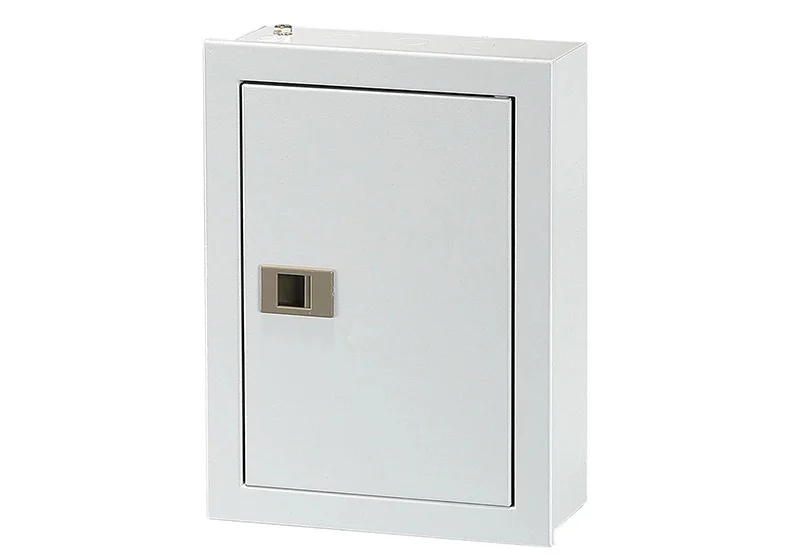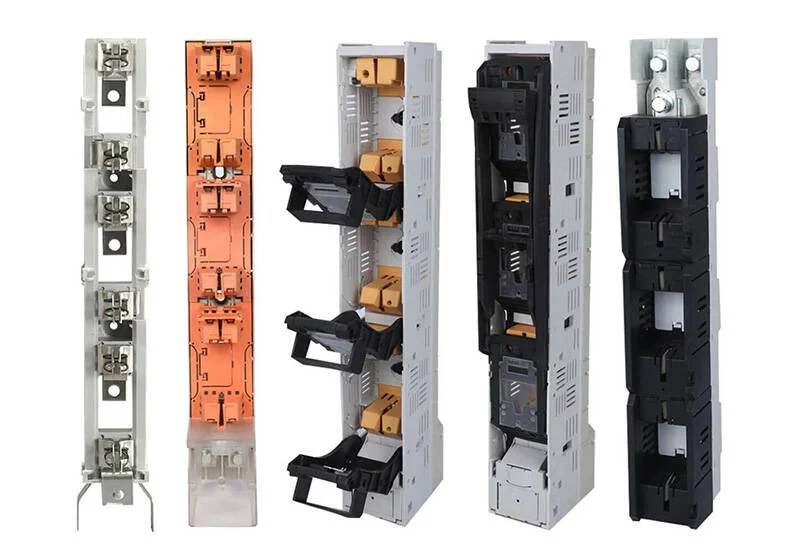
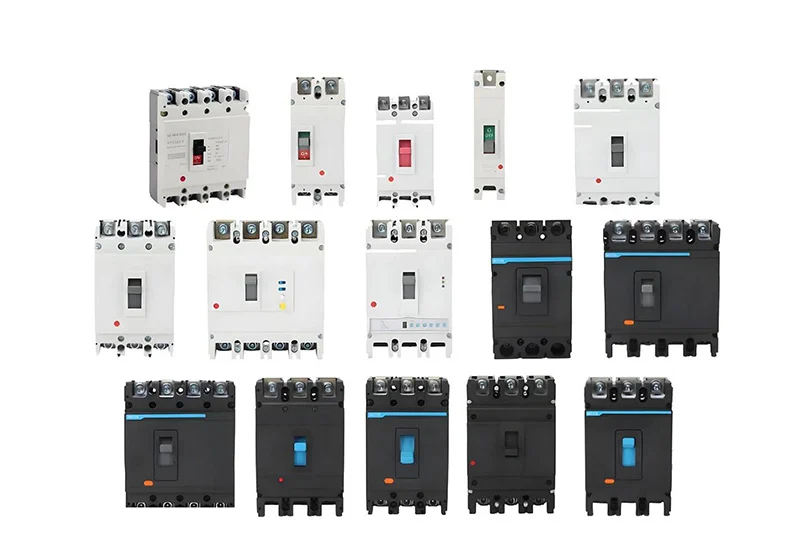
Circuit breakers are critical components in modern electrical installations. Their primary function is to protect circuits against overloads and short circuits, thereby ensuring the safety of both the system and its users. Thanks to their safety features and operational reliability, they have become one of the most effective solutions for ensuring electrical safety.
How Do Circuit Breakers Work?
The operation of a circuit breaker relies on two key mechanisms: overload protection and short-circuit protection.
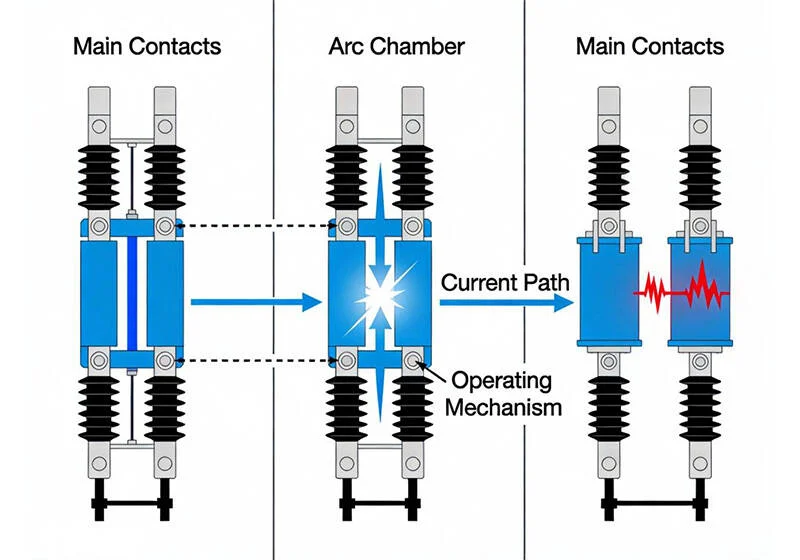
Overload Protection: This utilizes the principle of differential thermal expansion in a bimetallic strip. When the current exceeds the rated value but remains below the short-circuit threshold, the bimetallic strip heats up and bends progressively. Higher currents generate heat more rapidly; once the strip bends to a specific angle, it pushes a lever to release the latch mechanism, triggering a trip. This mechanism can distinguish between normal startup inrush currents and sustained overloads.
Short-Circuit Protection: This utilizes electromagnetic principles. During a short circuit, the instantaneous current can surge to 10–100 times the rated value, generating a strong magnetic field within the coil. This instantly attracts the armature, striking a lever to rapidly separate the contacts; this cuts off the massive short-circuit current in an extremely short time, preventing the circuit and equipment from being instantly destroyed.
Once a circuit breaker has tripped, it can be reset manually. However, this should only be done after the issue that caused the trip has been identified and resolved.
Differences Between MCB and MCCB
MCB and MCCB are two core types of protective devices used in low-voltage power distribution systems. Despite the difference of only a single letter, there are distinct differences between them regarding their intended use, technical specifications, construction, and application scenarios.
| Dimension | MCB | MCCB |
| Core use | Low-current protection for terminal circuits | High-current distribution protection for main feeder lines |
| Rated current range | 6A–125A; mainstream models for home use are mostly under 63A. | 10A–2500A; common specifications for industrial applications range from 100A to 1600A. |
| Ultimate short-circuit breaking capacity | The standard rating ranges from 4.5 kA to 10 kA, capable of handling only low-capacity short-circuit faults. | Capable of handling currents ranging from 10 kA to over 100 kA, and withstanding the intense short-circuit surges encountered in industrial environments. |
| Protective adjustment capability | The thermal-magnetic trip parameters are factory-set and cannot be manually adjusted. | Supports manual adjustment of overload and short-circuit trip thresholds; high-end electronic models enable multi-stage protection parameters. |
| Applicable Scenarios | Small-scale civil equipment; low-power single-phase/three-phase terminal distribution circuits. | Transformer low-voltage side incoming lines and high-capacity feeder circuits—applications requiring the ability to withstand high surge currents. |
If you are unsure which to choose, consider the following guidelines: opt for an MCB when the load current is ≤100A and only basic terminal protection is required, as it offers excellent cost-effectiveness and saves installation space; select an MCCB when the load current exceeds 100A, or when there is a need to adjust protection parameters or handle high short-circuit currents.
Circuit Breaker Applications
- Residential Facilities: Protects household circuits—including lighting, power outlets, and various appliances—to ensure the safety of residents.
- Commercial Buildings: Office buildings, retail stores, and other commercial venues use circuit breakers to protect critical infrastructure such as HVAC systems and computer networks.
- Industrial Facilities: Factories and production workshops rely on circuit breakers to protect heavy machinery and complex electrical systems, thereby minimizing costly downtime.
- Renewable Energy Systems: Solar and wind energy facilities utilize circuit breakers to protect inverters and other components against overloads and short-circuit faults.