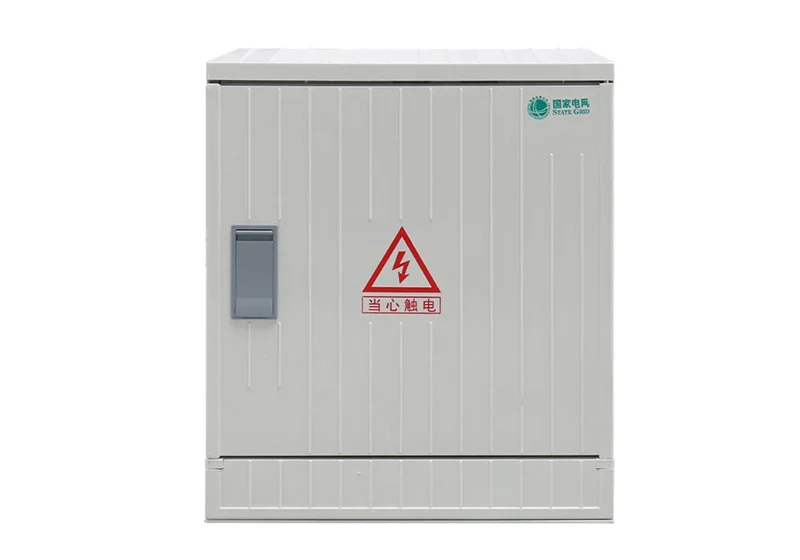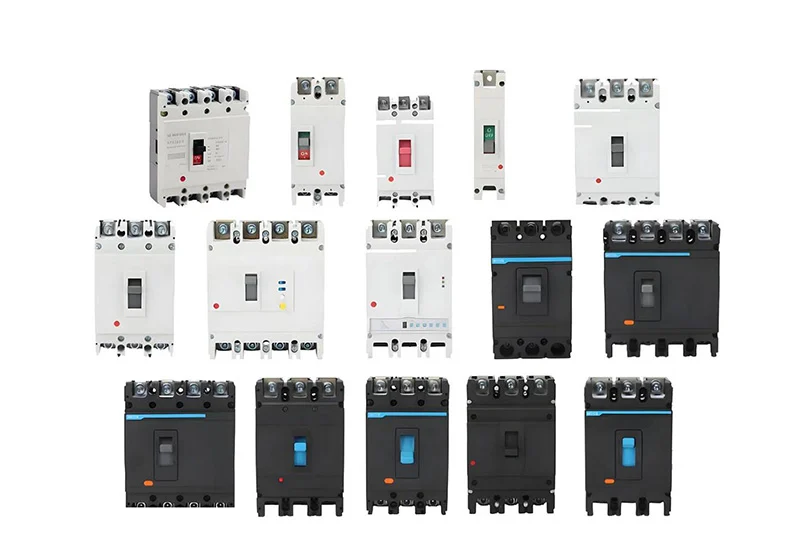
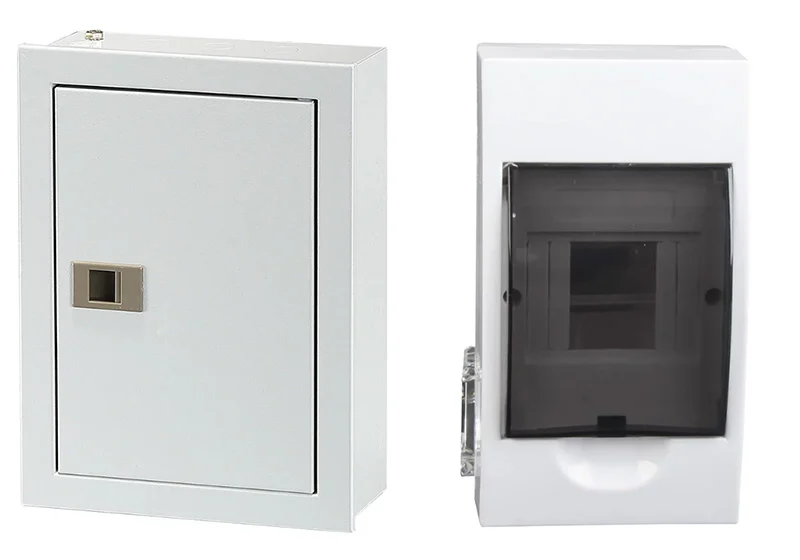
An electrical distribution box is an enclosure designed to receive electrical power from a main supply and distribute it across multiple protected branch circuits. Also known as a distribution board or panel, it helps organize electrical connections, enables circuit isolation, and protects wiring and connected equipment from electrical faults.
Distribution boxes are widely used in residential, commercial, and industrial electrical systems. Understanding the different types available will help you select the right one for your needs.
Classification of Distribution Boxes
There are various ways to categorize distribution boxes. This article focuses on classification by material: metal distribution boxes and plastic distribution boxes.
Metal Distribution Boxes
Metal distribution boxes offer high mechanical strength and are commonly used in commercial and industrial facilities. Depending on environmental requirements, the enclosures can be constructed from painted steel, galvanized steel, stainless steel, or other suitable metallic materials.
Plastic Distribution Boxes
Plastic distribution boxes are lightweight and inherently corrosion-resistant. Materials such as ABS, polycarbonate, and other engineering plastics are frequently used in residential and commercial settings, as well as in specific outdoor locations. The choice of material depends on the required level of protection and the specific properties of the material itself.
Metal vs. Plastic Distribution Boxes
Beyond the difference in material, metal and plastic distribution boxes vary significantly in terms of safety logic, mechanical performance, and maintenance costs. Metal boxes utilize a safety system based on active grounding and electromagnetic shielding (the Faraday cage principle), whereas plastic boxes rely on inherent electrical insulation for passive isolation. Consequently, each type is suited to entirely different operating environments and applications.
| Comparison Dimension | Metal Distribution Box | Plastic Distribution Box |
| Impact Resistance | Tensile strength of 300–500 MPa; explosion-proof enclosures can be up to 20 mm thick, resisting deformation from heavy-object impacts | Standard PC/ABS materials have a notched impact strength of approx. 60 kJ/m²; prone to cracking or denting under heavy pressure |
| Fire and Flame Retardancy | Non-combustible; melting point exceeds 1000°C; can withstand internal explosion pressure and prevent the spread of fire | Even flame-retardant grade plastics may melt and release toxic fumes under sustained high temperatures |
| Resistance to Extreme Temperatures | Stable operation between -40°C and 120°C; no issues with low-temperature brittleness or high-temperature deformation | Prone to softening at temperatures above 70°C; some common plastics may become brittle and crack below -30°C |
| Electromagnetic Shielding | Shielding effectiveness can reach 40–70 dB when properly grounded, providing resistance against strong electromagnetic interference | Virtually no shielding capability; requires an additional conductive coating to achieve basic shielding |
| Heat Dissipation | Excellent thermal conductivity (aluminum alloy or steel plate) allows for rapid dissipation of heat generated by internal components | Very low thermal conductivity; prone to internal heat accumulation in high-power applications |
Metal vs. Plastic: How to Choose
- Metal Distribution Boxes: Best suited for heavy-duty industrial workshops, environments with explosion or fire risks, high-power distribution systems, server rooms or substations subject to strong electromagnetic interference, and construction sites that demand a high level of mechanical protection.
- Plastic Distribution Boxes: Ideal for residential power distribution, coastal areas with high salt-mist exposure, industrial settings involving exposure to acids or alkalis, temporary outdoor construction sites, and high-humidity environments where superior electrical insulation is required for safety.
Conclusion
Selecting the right distribution box ensures the smooth execution of your project. Are you looking for the ideal distribution box for your needs? Explore the range offered by Barfuse—we provide professional solutions and services tailored to diverse installation environments and power distribution requirements.