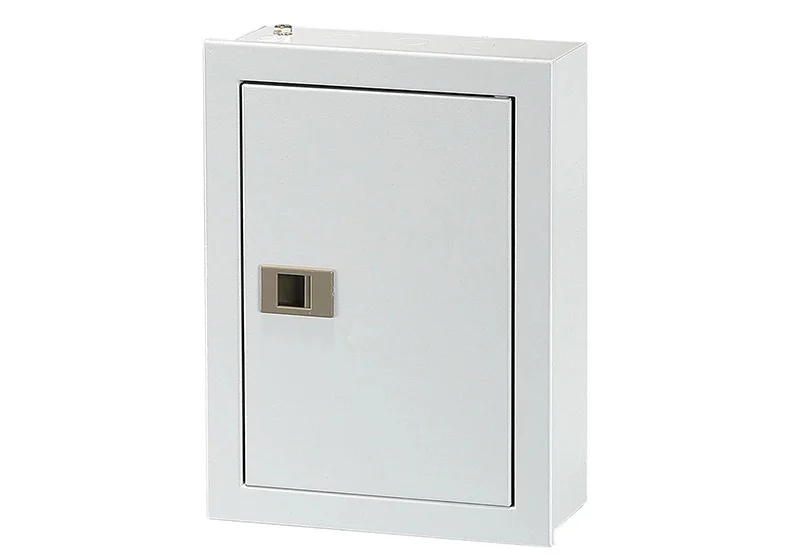
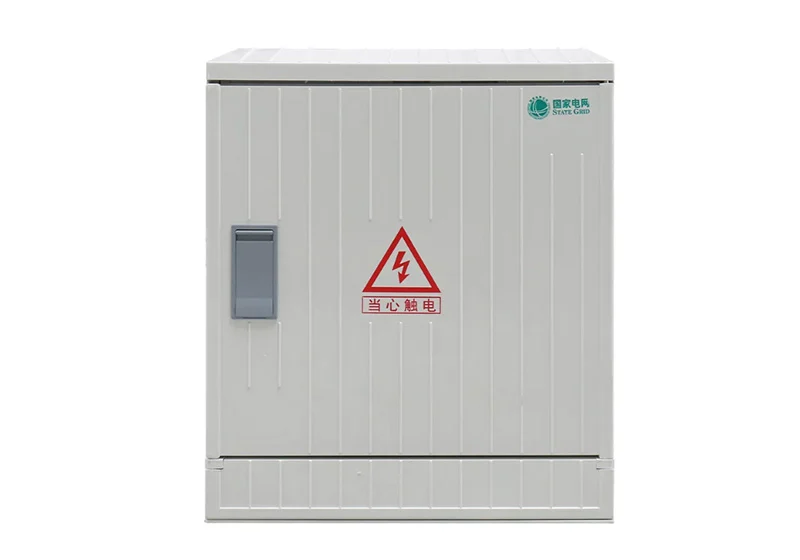
SMC distribution boxes are fully insulated non-metallic distribution equipment made from Sheet Molding Compound (SMC) that is molded under high temperature and high pressure. Compared with traditional metal enclosures, they have significant advantages in insulation safety, corrosion resistance, and weather durability, making them the preferred choice for outdoor distribution network upgrades and harsh operating conditions.
Characteristics of SMC Distribution Boxes
SMC enclosures are made from a composite of unsaturated polyester resin, high-strength glass fibers, and special weather-resistant fillers. They have a density only 1/4 that of steel while offering lightweight and high-strength properties.
- Fully Insulated Safety: Insulation resistance reaches up to 1.0×10⁵ MΩ, requiring no additional grounding. This fundamentally eliminates leakage and electric shock risks, with insulation performance far exceeding that of metal enclosures.
- Extreme Weather and Corrosion Resistance: Completely immune to electrochemical corrosion, resistant to acidic or alkaline soils, coastal salt spray, and industrial acid rain, suitable for temperature ranges from -50°C to 160°C. Outdoor service life can reach 30–40 years, and over 60 years in indoor environments, essentially maintenance-free.
- Flame Retardant Safety: Flame retardant rating of FV0; does not support combustion, does not produce molten droplets, and does not release toxic or harmful gases at high temperatures.
- High Protection Level: Standard IP65/IP66 protection, combined with polyurethane sealing strips and rain-proof lip design, fully prevents dust ingress and withstands low-pressure water jets. Even under outdoor rainfall, internal condensation or water penetration is prevented.
Ideal Scenarios for SMC Distribution Boxes
Although SMC distribution boxes have significant advantages, it does not mean they are necessary for all situations. They provide the highest cost-effectiveness in the following scenarios:
First, outdoor distribution networks, such as community outdoor metering boxes, roadside cable branch boxes, and JP cabinets beside transformers. Once installed, they require minimal maintenance, saving much more effort than metal enclosures.
Second, high-corrosion and special working conditions, including coastal areas, chemical plants, sewage treatment plants, and mines. Metal boxes may fail within two to three years, while SMC distribution boxes ensure proper operation due to their corrosion resistance.
Third, confined spaces like subways, utility tunnels, or underground environments. Full insulation prevents accidental electric shock, significantly enhancing safety.
Nowadays, many households also choose SMC protective boxes for outdoor charging piles due to their anti-rain and anti-tamper properties. They require no grounding and provide stress-free use, performing much better than metal boxes.
Precautions for SMC Distribution Boxes
- No additional grounding is required during installation, but sufficient heat dissipation space around the enclosure must be ensured to prevent internal component overheating in confined spaces.
- Cable entry and exit points must use dedicated sealing glands to prevent the insulation layer from being cut by sharp edges and to maintain overall enclosure protection.
- Welding or cutting holes on the SMC enclosure without authorization is strictly prohibited. Holes must be made using specialized tools, and after opening, burrs should be smoothed and sealing rings installed to maintain structural strength and waterproof performance.
For more information about SMC distribution boxes, please feel free to contact us. BARFUSE looks forward to serving you.